
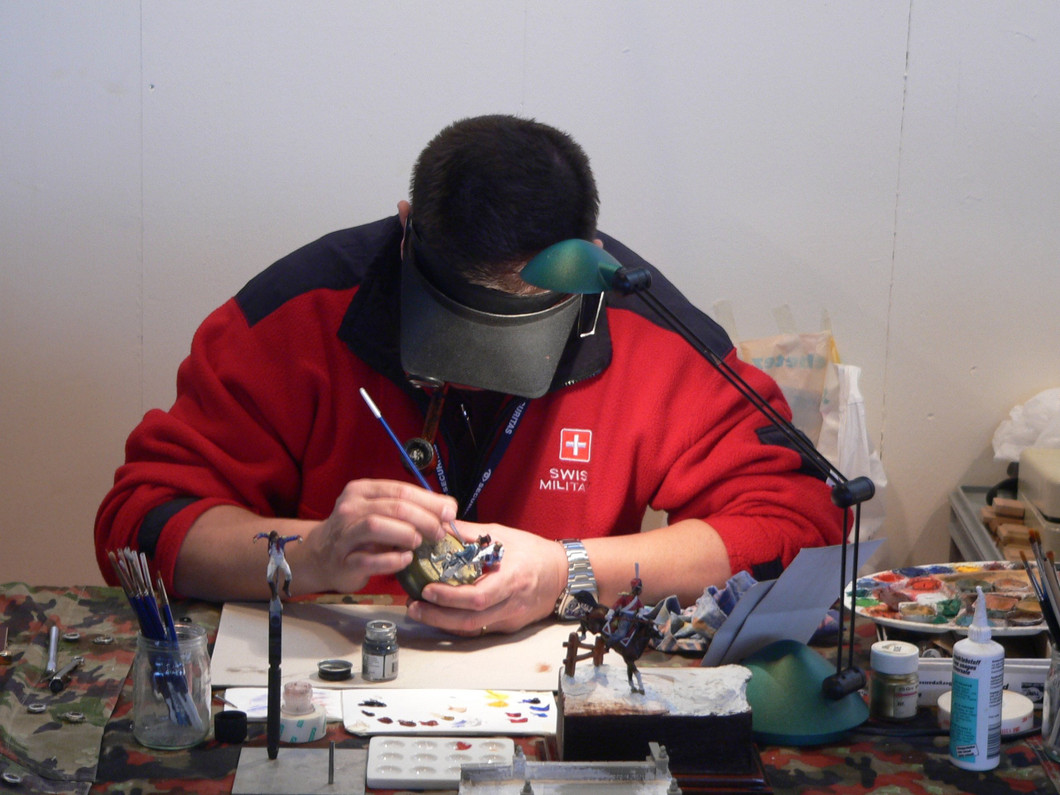
How to Choose Your First Model Kit: A Complete Beginner's Guide for 2026
Starting your model building journey is exciting, but walking into a hobby shop or browsing online can be overwhelming. With thousands of model kits available across different scales, skill levels, and subjects, many beginners make costly mistakes—buying kits that are too complex, require expensive tools they don't have, or simply don't match their interests. This complete guide will walk you through everything you need to know to choose your first model kit confidently, avoid common pitfalls, and set yourself up for a successful and enjoyable building experience.

Understanding Model Kit Types
Before you can choose your first model kit, it's important to understand what's available and how different types of kits vary in complexity and requirements.

Plastic Model Kits
Plastic model kits are the most popular choice for beginners and experienced builders alike. These injection-molded kits come in various subjects:
**Scale Models** include realistic replicas of real-world vehicles and machinery:
- Aircraft (fighters, bombers, civilian planes)
- Cars and trucks (classic, racing, modern)
- Ships and submarines (warships, civilian vessels)
- Military armor (tanks, APCs, artillery)

**Gunpla/Mecha Models** are Japanese robot kits, primarily from the Gundam franchise. These have become incredibly popular worldwide due to their engineering quality and posability. Also the easiest models to get into as they require no glue or paint.
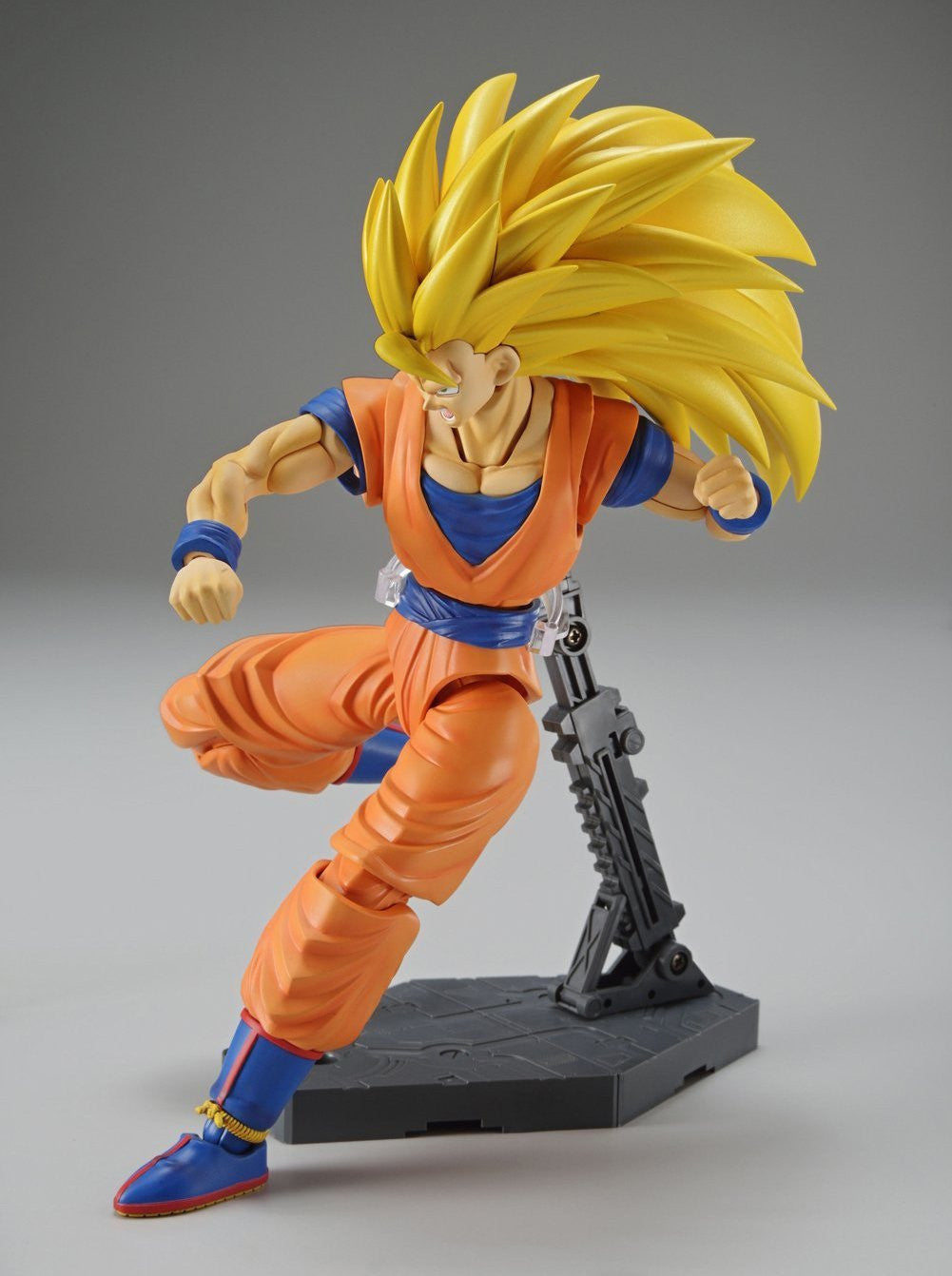
**Figure Kits** range from historical soldiers to fantasy characters and sci-fi heroes.
### Difficulty Levels Explained
Understanding skill ratings is crucial when choosing your first model kit:
**Snap-fit kits** require no glue and simply press together. Parts are designed with pegs and holes that lock into place. These are ideal for absolute beginners or younger builders.
**Glue-required kits** need plastic cement to bond parts permanently. They typically offer better detail and more realistic part separation but require more skill and patience.
**Skill level ratings** only apply to a few manufacturers but generally follow this pattern:
- **Level 1-2**: Minimal parts (20-50 pieces), large components, basic detail
- **Level 3**: Moderate parts (50-100 pieces), some small details, may include decals
- **Level 4-5**: Many parts (100-300+ pieces), fine details, multiple sub-assemblies, complex painting schemes
For your first model kit, stick with Level 1-2, or specifically marked "beginner" or "easy" kits.

Scale Sizes: What the Numbers Mean
Scale is expressed as a ratio like 1/72 or 1/35. The number tells you how much smaller the model is compared to the real thing:
- **1/144 scale**: Very small; popular for Gunpla and aircraft. A 6-foot (72-inch) tall object becomes 0.5 inches in this scale.
- **1/72 scale**: Small; traditional aircraft scale. Good for limited space.
- **1/48 scale**: Medium; excellent balance of detail and size for aircraft and armor.
- **1/35 scale**: Standard for military vehicles and armor. Larger size shows great detail.
- **1/24-1/25 scale**: Popular for cars. Large enough to show engine and interior details.
For beginners, larger scales (smaller numbers like 1/24 or 1/35) are easier to work with because parts are bigger and easier to handle.
5 Key Factors for Choosing Your First Model Kit
1. Your Interest & Passion

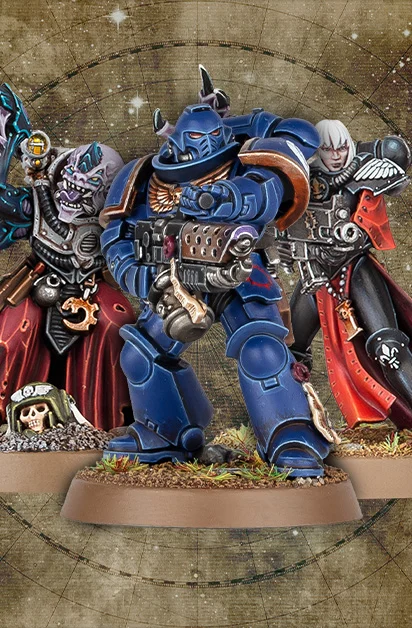


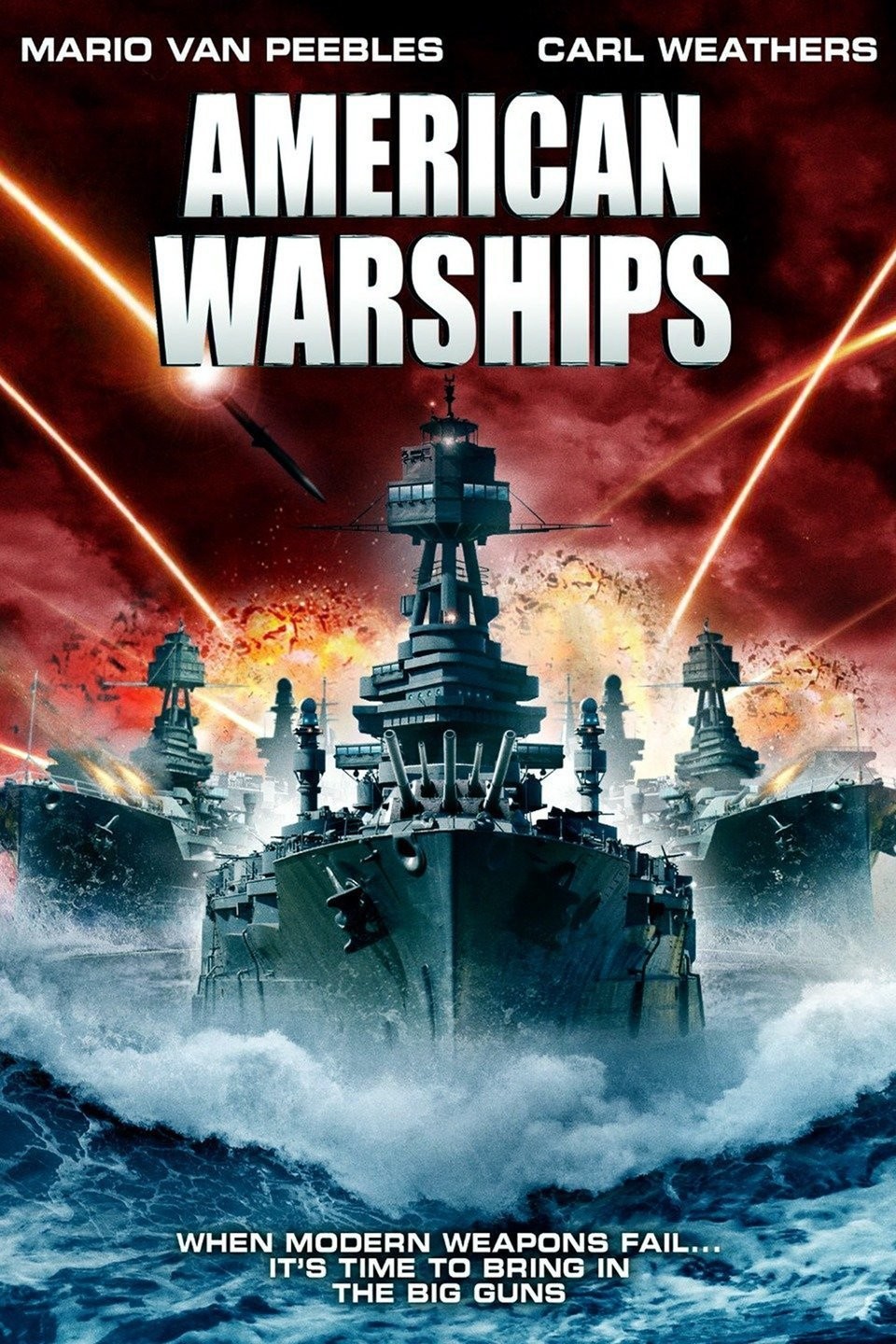
The most important rule: **build what you love**. Don't choose a kit just because it's labeled "easy" if the subject doesn't excite you. Your enthusiasm will carry you through the learning process.
Ask yourself:
- What vehicles, aircraft, or characters fascinate me?
- Do I prefer historical accuracy or fictional designs?
- What movies, shows, anime or historical periods interest me?
Building a model of something you're passionate about makes the 5-10+ hours you'll spend on it enjoyable rather than tedious.
### 2. Skill Level & Complexity
Be honest about your experience level. Your first model kit should be:
- specifically marked "beginner"
- Under 100 parts
- Featuring larger pieces (avoid tiny photo-etched parts or complex multi-media kits)
- Offering clear, illustrated instructions
**Snap-fit kits** are excellent first choices. Modern snap-fit kits, especially Gunpla, can look fantastic right out of the box with no painting required.
Save the 400-piece battleship or the hyper-detailed Formula 1 car for later. Master the basics first.
### 3. Budget Considerations
Model kits range from $15 to $500+, but great beginner kits typically cost $20-40.
**Budget breakdown for starting out:**
- Beginner model kit: $20-35
- Basic tools (if not snap-fit): $15-30
- Plastic cement (if needed): $5-8
- Basic paint set (optional for first build): $20-40
- Sprue Cutter: $10-15
- Sanding Supplies: $5-10
**Total startup cost:** $50-140 depending on the kit type and whether you paint it.
**Money-saving tip**: Start with a snap-fit kit that doesn't require painting. You can build it with zero additional purchases to see if you enjoy the hobby before investing in tools and paints.
### 4. Required Tools & Supplies
Different kits require different tools:
**For snap-fit kits (minimal investment):**
- Your hands (that's it!)
- Optional: hobby knife for removing molding lines
**For glue-required kits:**
- Hobby knife or sprue cutters
- Fine-grit sandpaper (400-600 grit)
**If you plan to paint:**
- Primer
- Model paints (acrylics are most beginner-friendly)
- Thinner and cleaning supplies
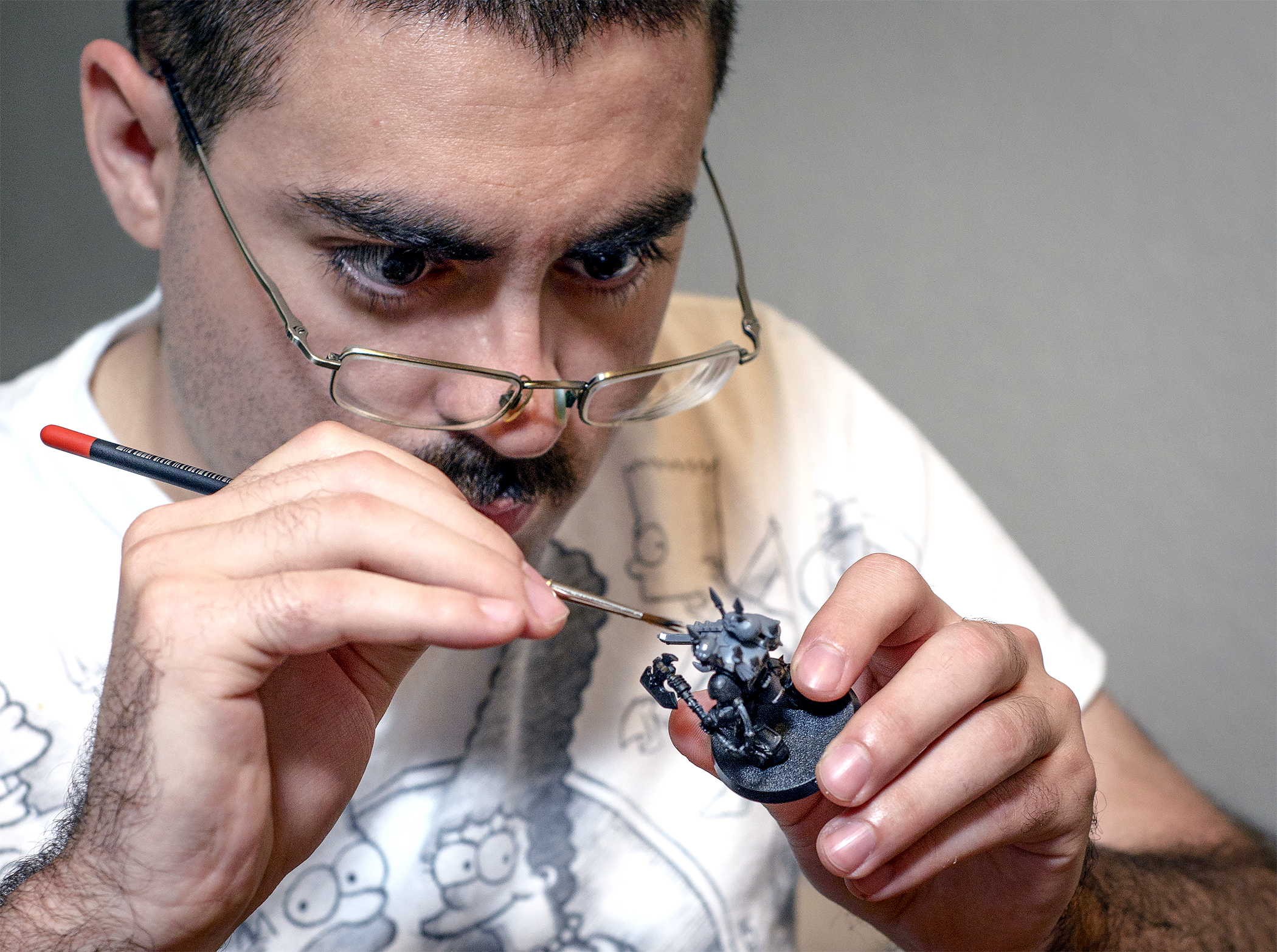
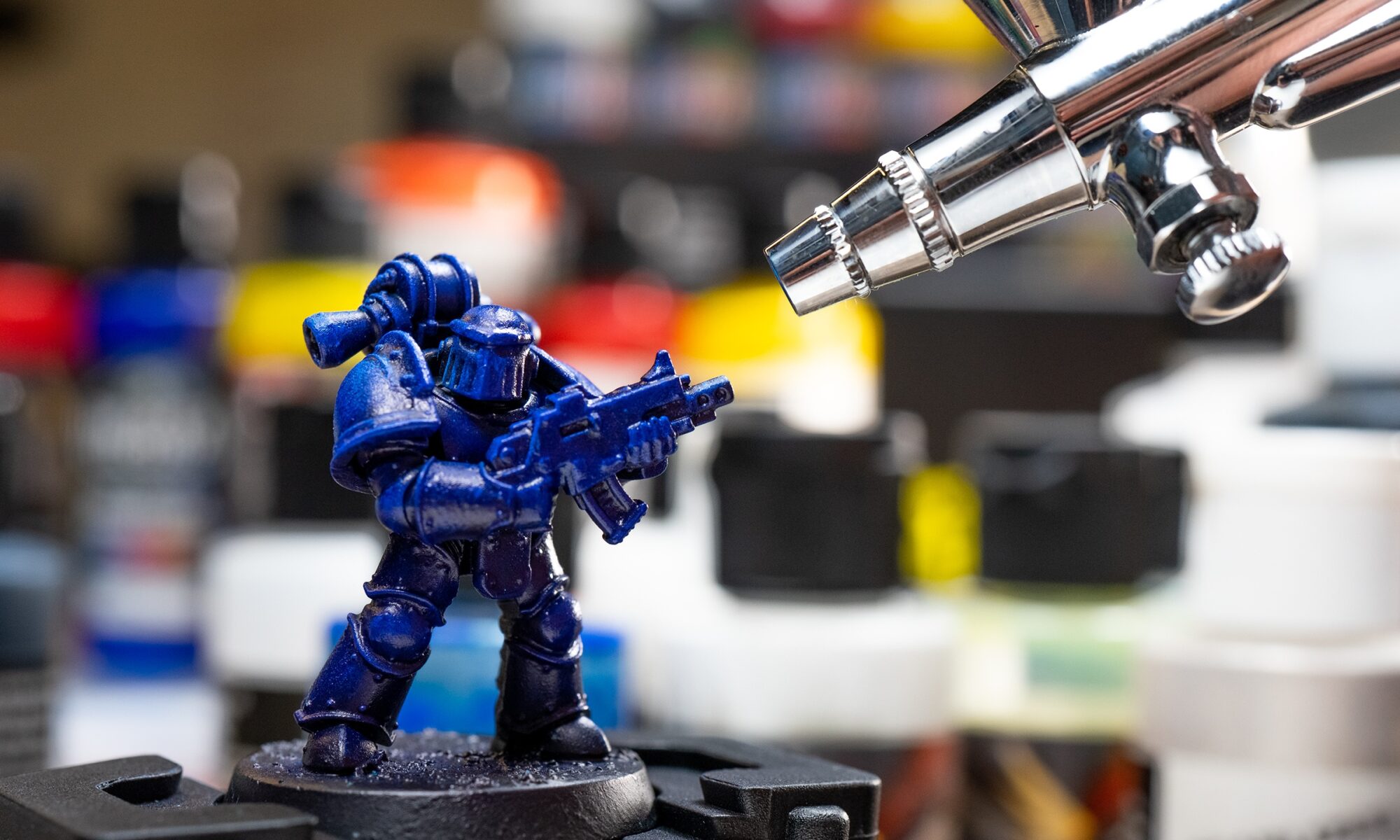
For painting, you might want to check our guides on choosing beginner airbrush equipment and techniques to achieve professional-looking results. Quality finishing can transform even simple kits into display-worthy pieces.
### 5. Time Commitment
Be realistic about the time you can dedicate:
**Snap-fit beginner kit:** 2-4 hours
**Simple glue-required kit (unpainted):** 4-8 hours
**Painted beginner kit:** 10-20 hours (including drying time)
**Intermediate kit with full detail:** 20-50+ hours
Your first build will take longer than expected—that's normal. You're learning as you go. Don't rush; model building is about the journey, not just the finished product.
## Common Mistakes to Avoid
Learning from others' mistakes saves time, money, and frustration:
1. **Starting too advanced**: Don't let ego drive your first purchase. That 1/350 aircraft carrier with 1,000+ parts will sit unfinished in your closet. Start simple.
2. **Cutting parts with dull tools**: Dull hobby knives or cutters crush plastic, leaving ugly marks. Invest in quality sprue cutters (about $15) or at minimum, use fresh knife blades.
3. **Not reading instructions first**: Skim through the entire instruction manual before starting. Understanding the build sequence prevents mistakes and identifies when to paint sub-assemblies before gluing.
4. **Using too much glue**: Less is more. Excess plastic cement creates ugly blobs and can melt detail. Apply tiny amounts with a toothpick or fine applicator.
5. **Rushing the build**: Model building is meditative. Rushing leads to mistakes—parts glued backwards, broken pieces, fingerprints in wet paint. Take your time.
6. **Skipping surface preparation**: Even simple kits benefit from removing molding seams and nubs with sandpaper. This takes minutes but dramatically improves the final appearance.
7. **Painting without primer**: Paint doesn't adhere well to bare plastic. Always use primer for painted builds—it provides a uniform surface and shows imperfections you can fix before final painting.
## Getting Started: Your First Build Checklist
Ready to begin? Here's your checklist:
**Essential Tools:**
- [ ] Hobby knife with fresh blade OR sprue cutters
- [ ] Sandpaper: 400, 600, and 800 grit
- [ ] Plastic model cement (if not snap-fit)
- [ ] Tweezers
- [ ] Cutting mat or protected work surface
**Basic Supplies:**
- [ ] Paper towels or lint-free cloths
- [ ] Small containers for organizing parts
- [ ] Good lighting (desk lamp recommended)
- [ ] Instructions (don't lose them!)
**Workspace Setup Tips:**
- Use a dedicated area where you can leave your project between sessions
- Ensure good ventilation if using cement or paint
- Organize your workspace: tools on one side, parts on the other, instructions in front
- Use a white or light-colored cutting mat to easily spot small dropped parts
- Have your phone handy to photograph complicated steps or reference colors
**Optional but Recommended:**
- [ ] Panel lining markers (Gundam Markers are excellent)
- [ ] Cotton swabs for cleanup
- [ ] Masking tape
- [ ] Small files for smoothing edges
Once you've completed your first basic kit and caught the modeling bug, you might want to explore advanced techniques like custom painting and masking to create unique color schemes and details that make your builds truly stand out.
## Frequently Asked Questions
**What is the easiest model kit for beginners?**
The Bandai Entry Grade Gundam kits are the easiest model kits for beginners. They require absolutely no tools, snap together in 1-2 hours, and look impressive right out of the box. They're specifically engineered for first-time builders and cost only $10-15.
**How much does a first model kit cost?**
First model kits typically cost between $15-40. Snap-fit beginner kits start around $10-15, while quality glue-required beginner kits from manufacturers like Tamiya or Revell range from $25-40. Starter sets that include tools and paints cost $30-50.
**Do I need special tools for model kits?**
For snap-fit kits, you need no tools at all. For traditional glue-required kits, you'll need basic tools: hobby knife or sprue cutters ($10-20), plastic cement ($5-8), and sandpaper ($5-10). A complete beginner tool set costs $30-50 and will last for many builds.
**How long does it take to build a model kit?**
A beginner snap-fit kit takes 2-4 hours to build. A simple glue-required kit takes 4-8 hours unpainted, or 10-20 hours if you paint it. Your first build will take longer as you learn techniques. More complex kits can take 50-100+ hours, but save those for when you have experience.
**Should I paint my first model kit?**
Painting your first model kit is optional. Many beginners choose snap-fit kits molded in color (like Gunpla) that look great unpainted. This lets you focus on assembly skills first. If your kit is molded in a single color and you want to paint it, start with simple hand-brushing or spray cans before investing in an airbrush setup.
**What scale model kit is best for beginners?**
Larger scales (smaller numbers) are best for beginners: 1/24 or 1/25 for cars, 1/35 for military vehicles, and 1/48 for aircraft. Larger parts are easier to handle, cut, and glue. The exception is Gunpla, where 1/144 High Grade kits are specifically designed for beginners despite the smaller scale.
**Can kids build model kits?**
Yes! Kids ages 8+ can build snap-fit model kits with supervision. Look for kits specifically labeled "ages 8+" or "snap-fit." Avoid kits requiring plastic cement (which has fumes) for young children. Gunpla Entry Grade and Revell SnapTite kits are excellent for kids.
**What's the difference between snap-fit and glue-required kits?**
Snap-fit kits have parts that press together and lock in place without adhesive. They're faster, require no tools, and can be disassembled. Glue-required kits need plastic cement to permanently bond parts together, typically offer finer detail and more realistic part separation, and require more skill but can achieve more realistic results.
## Start Your Model Building Journey Today
Choosing your first model kit is an exciting step into a rewarding hobby that combines creativity, patience, and skill development. Remember: the "perfect" first kit is one that excites you personally, matches your current skill level, and fits your budget.
Don't overthink it—start with something simple that interests you, take your time with the build, and enjoy the process. Every experienced modeler started exactly where you are now, and every single one made mistakes on their first kit. That's part of the learning experience.
Your first completed model, even if it's imperfect, will fill you with pride. Before you know it, you'll be planning your second build, exploring new techniques, and maybe even investing in quality tools like precision airbrushes to take your finishing to the next level.
**Ready to get started?** Visit our beginner model kit collection to find the perfect first kit for your interests and skill level. Have questions? Our expert staff is here to help you choose and succeed with your first build.
**Share Your Journey:** We'd love to see your first completed model! Tag us on social media or visit the shop to show off your work and get advice for your next build.
Happy building, and welcome to the wonderful world of scale modeling!
2026 Mar 4th
Recent Posts
-
How to Choose Your First Model Kit: A Complete Beginner's Guide for 2026
Starting your model building journey is exciting, but walking into a hobby shop or browsing online c …2026 Mar 4th -
Picking Your First Iwata Airbrush
What to consider when picking your first Iwata1. Feed Style-Gravity Feed: Paint cup on top -> easier …2026 Jan 30th -
Make Your Own Masks!
Can't find decals for that cool squadron insignia or unit marking? Why not make a set of masks and p …2026 Jan 21st