
Tamiya
TAMXF56 - Tamiya - Flat Metallic Gray Acrylic - 10mL Bottle

- SKU:
- TAMXF56
- UPC:
- 4950344069859
- Condition:
- New
- Availability:
- In-Stock items usually Ship within the next business day
- Shipping:
- Calculated at Checkout

Description
TAMXF56 - Tamiya - Flat Metallic Gray Acrylic - 10mL Bottle
Tamiya XF-56 Flat Metallic Gray occupies a unique position in the Tamiya acrylic range — it is the only XF-series colour that combines metallic aluminium flake pigment with a flat, matte binder. Where X-11 Chrome Silver produces a bright, mirror-like gloss metallic, XF-56 delivers a subdued, non-reflective metallic that reads as oxidised, bare, or worn aluminium rather than freshly polished metal. This makes it specifically suited to natural metal finish (NMF) aircraft at scale — where the sheen of actual bare aluminium is significantly reduced by distance, atmospheric haze, and surface oxidation — as well as to worn or worked steel surfaces on AFV tracks, tools, gun bores, and mechanical details. It is routinely used as a chipping colour beneath camouflage paint to simulate worn edges and bare metal showing through, and as a dry-brush metallic highlight over dark metal base coats on engine blocks, exhausts, and exposed machinery.
Tamiya Acrylic paints are a hybrid acrylic formula built on water-soluble resin — they can be thinned with water, isopropyl alcohol, or lacquer thinner, and clean up easily with water before curing. When thinned with Tamiya Lacquer Thinner, the paint lays down faster, dries harder, and bonds more aggressively to the substrate. The hybrid resin chemistry means the paint film remains slightly soluble after initial drying — subsequent brush strokes can reactivate and lift the layer below if applied without restraint. For this reason, airbrushing is strongly recommended for large surface coverage. Brush painting is workable for detail and touch-up work, but requires a gentle, deliberate stroke and a fully cured base layer. See our Tamiya Acrylic vs. Enamel vs. Lacquer guide for a full breakdown of paint type differences.
- Natural metal finish (NMF) aircraft — the primary acrylic application for late-war and post-war bare aluminium aircraft in small scales; particularly effective on late-war USAAF P-51D Mustang, P-47D Thunderbolt Razorback, B-17G Flying Fortress, and B-29 Superfortress subjects that flew without camouflage from 1944 onward; also correct for post-war USN and USAF jet aircraft of the early 1950s including the F-86 Sabre, F-84 Thunderjet, and F-80 Shooting Star in bare aluminium natural metal finish
- Chipping and paint wear effects — applied as a base layer beneath camouflage paints on aircraft and AFV subjects, then selectively revealed through a hairspray or salt chipping technique to simulate worn paint edges, scratches, and bare metal showing through at panel edges, hatches, handrails, and high-wear areas; provides a convincing oxidised aluminium tone that reads correctly under the thin paint layer above
- AFV track links and running gear — dry-brushed over dark grey or XF-1 Flat Black base coats on steel track links, road wheels, drive sprockets, and idlers to simulate the polished steel worn surface of tracks under operational load; used across all nationalities and eras for realistic track metalwork on Tiger I, T-34, M4 Sherman, and contemporary AFV subjects
- Aircraft engine and exhaust details — applied to engine cylinder heads, exhaust stacks, turbine intakes, and engine nacelle interiors where bare aluminium or steel is visible; provides the correct flat metallic character for engine components that have not been painted but have been worked, heat-affected, or simply left bare from the factory
- Worn gun barrels and breeches — applied to the bore area and working surfaces of artillery breech mechanisms, tank gun mantlet wear surfaces, and small arms components visible in open-topped vehicle and figure diorama work; the flat metallic tone captures the burnished but non-reflective character of polished steel gun metal more convincingly than gloss metallics
- Steel structural details — fuel filler caps, hinges, latches, bolts, and exposed steel fastener details on aircraft, AFVs, and ships; particularly effective for the small exposed steel hardware details on WWII aircraft fuselage and wing surfaces that are not painted over in production, providing tonal contrast against painted surrounding surfaces
- Non-metallic metal (NMM) base — used as the mid-tone in NMM aluminium and steel painting on larger-scale figures and vehicles; applied between XF-1 Flat Black shadow tones and pure X-11 Chrome Silver highlight tones to create a convincing metallic gradient without requiring actual metallic flake in the top highlight coat
- Scale aircraft bare metal panel variation — different panels on bare metal aircraft were often made from different aluminium alloys with visibly different oxidation rates and surface treatments; XF-56 provides the slightly darker, more oxidised metallic tone that contrasts subtly with brighter panels when panel-by-panel variation is needed on P-51D and B-29 subjects
For full Tamiya paint colour references and modelling compatibility charts, visit our Tamiya Paint Colour Chart — Complete Guide for Scale Modellers.
Thin and airbrush with Tamiya Lacquer Thinner, Mr. Color Thinner, or Mr. Color Leveling Thinner.
- 10ml glass jar
- Part of the Tamiya Acrylic paint range
Related Products

TAMXF14 - Tamiya - Flat IJA Gray Acrylic - 10mL Bottle
Tamiya

TAMXF20 - Tamiya - Flat Medium Gray Acrylic - 10mL Bottle
Tamiya
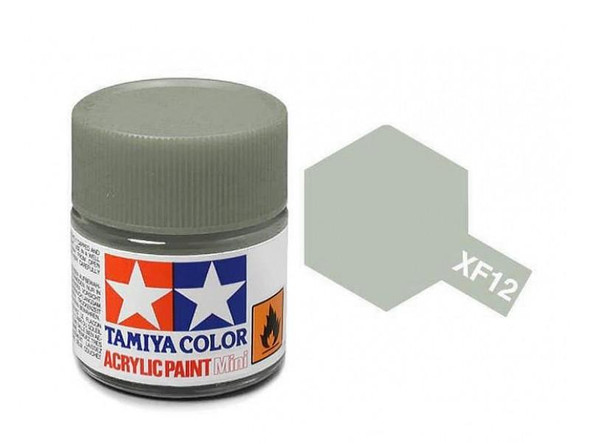
TAMXF12 - Tamiya - Flat IJN Gray Acrylic - 10mL Bottle
Tamiya
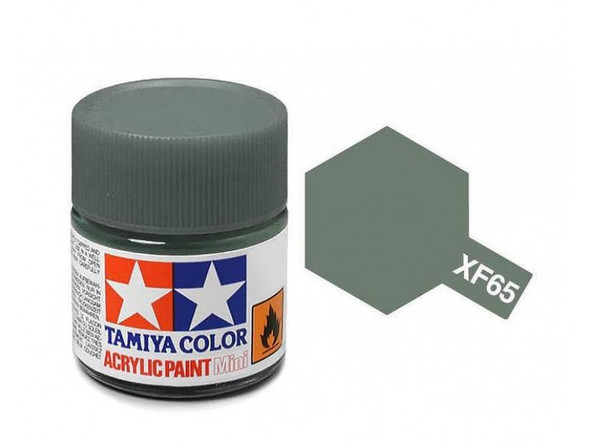
TAMXF65 - Tamiya - Flat Field Gray Acrylic - 10mL Bottle
Tamiya
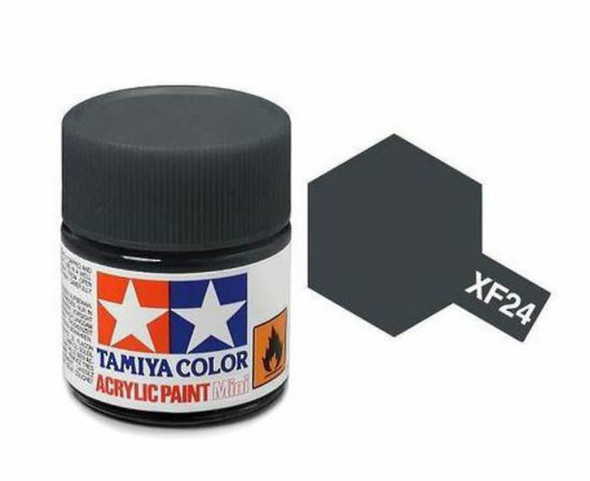
TAMXF24 - Tamiya - Flat Dark Gray Acrylic - 10mL Bottle
Tamiya